
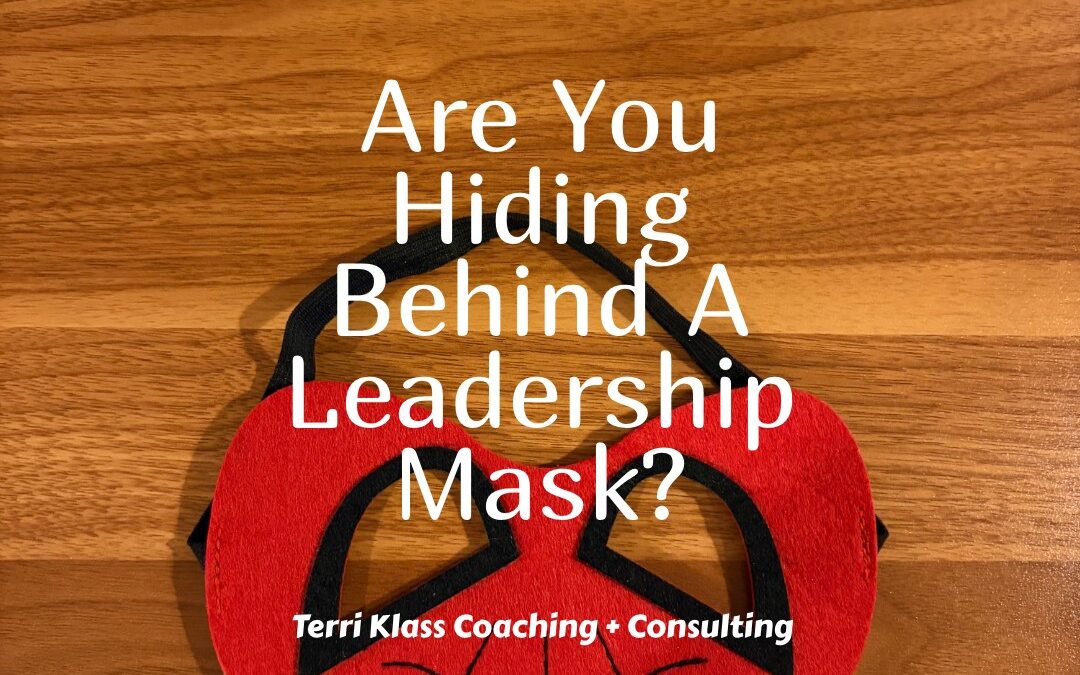
Halloween is the one time of year when wearing a mask is encouraged. We dress up, play a character, and become someone else for a night. But what happens when leaders wear masks? I was thinking about how often leaders feel they need to hide behind a mask. Masks have become a “norm” for some leaders as they muddle their way through their jobs and careers. We might think that a mask can protect our imperfections and blind spots. The truth is that by tackling the challenging parts of our leadership, we become more authentic leaders. We owe it to ourselves and to all our colleagues, to get out from behind our masks. Masks might help us feel protected, but they can also get in the way of the very things that make us authentic and trustworthy leaders.
What if this Halloween, instead of hiding behind a mask, leaders took them off?
1. Take Off the Mask of Who You Think You Should Be
Leaders can become so focused on who they think they should be that they lose sight of who they genuinely want to be. They may imitate an admired boss, conform to unwritten organizational rules, or withhold their true opinions to avoid rocking the boat. Yet effective leadership begins with self-awareness: knowing who you are, what you value, and what matters most to you. Here is an exercise to try to help you identify what you value most:
- Identify three values that matter most to you in being an impactful leader.
- Ask yourself whether your everyday decisions and behaviors reflect those values.
- What might be different if you take the mask off?
2. Drop the Mask of the Perfect Communicator
Some leaders believe they need to sound polished, confident, and certain at all times. They carefully choose their words but may avoid the conversations that matter most. Authentic communication isn’t about having the perfect answer. It’s about being clear, honest, and willing to say what needs to be said. It means sharing your perspective, asking for what you need, and creating space for others to do the same.
3. Remove the Mask of Having All the Answers
Have you ever entered a conversation convinced you already knew what someone was going to say? Or listened while preparing your response rather than really hearing the other person? Leaders who believe they must always know best can miss important information, new ideas, and opportunities to connect. Listening is more than staying quiet while someone else speaks. It’s about being curious, setting aside assumptions, and trying to understand another person’s perspective. This week, challenge yourself to:
- Ask one more question before offering advice.
- Listen without interrupting or planning your response.
- Get curious when someone’s perspective differs from yours.
4. Face the Blind Spots Behind the Mask
We all have blind spots. Perhaps you come across as impatient when you’re under pressure. Maybe your desire to be efficient leaves little room for other people’s ideas. Or perhaps you are not even aware that you begin each day grumpy. We don’t always see these behaviors in ourselves. Growth begins when we become willing to look in the mirror, invite honest feedback, and consider the impact we’re having on others. What we intend isn’t always what others experience. Sometimes our blind spots show up as being overly judgmental or negative. Being open to exploring what may be tripping you up can be a game changer for how you long to lead.
5. Let Go of the Mask of Control
For some leaders, control feels like safety. If they oversee every detail, solve every problem, and keep everything moving, perhaps nothing will go wrong. One leader I coached couldn’t understand why his team couldn’t meet his expectations. He wasn’t seeing how micro-managing them was a turn-off. Leadership isn’t about controlling everything. It’s about creating the conditions for people to succeed. Letting go doesn’t mean lowering your standards. It means trusting others, delegating responsibility, and accepting that there may be more than one way to reach a successful outcome. Ask yourself:
- What am I holding onto that someone else could own?
- Where is my need for control limiting my team’s growth?
- What would become possible if I focused less on managing every detail and more on developing people?
The masks we wear may have started as ways to protect ourselves. Over time, though, they can prevent us from building trust, strengthening relationships, and becoming the leaders we aspire to be.
What mask do you choose to take off this Halloween? If you want to explore the masks you are hiding behind, just click here.